Winter Animal Habits in February: How You Can Help!
As February rolls in, the winter chill is still firmly entrenched, challenging animals to adapt and survive until the promise of spring. This month, let’s take a closer look at the habits of some of our local wildlife—feral cats, squirrels, foxes, coyotes, and birds—and explore how we can extend a helping hand to make their winter a little easier.
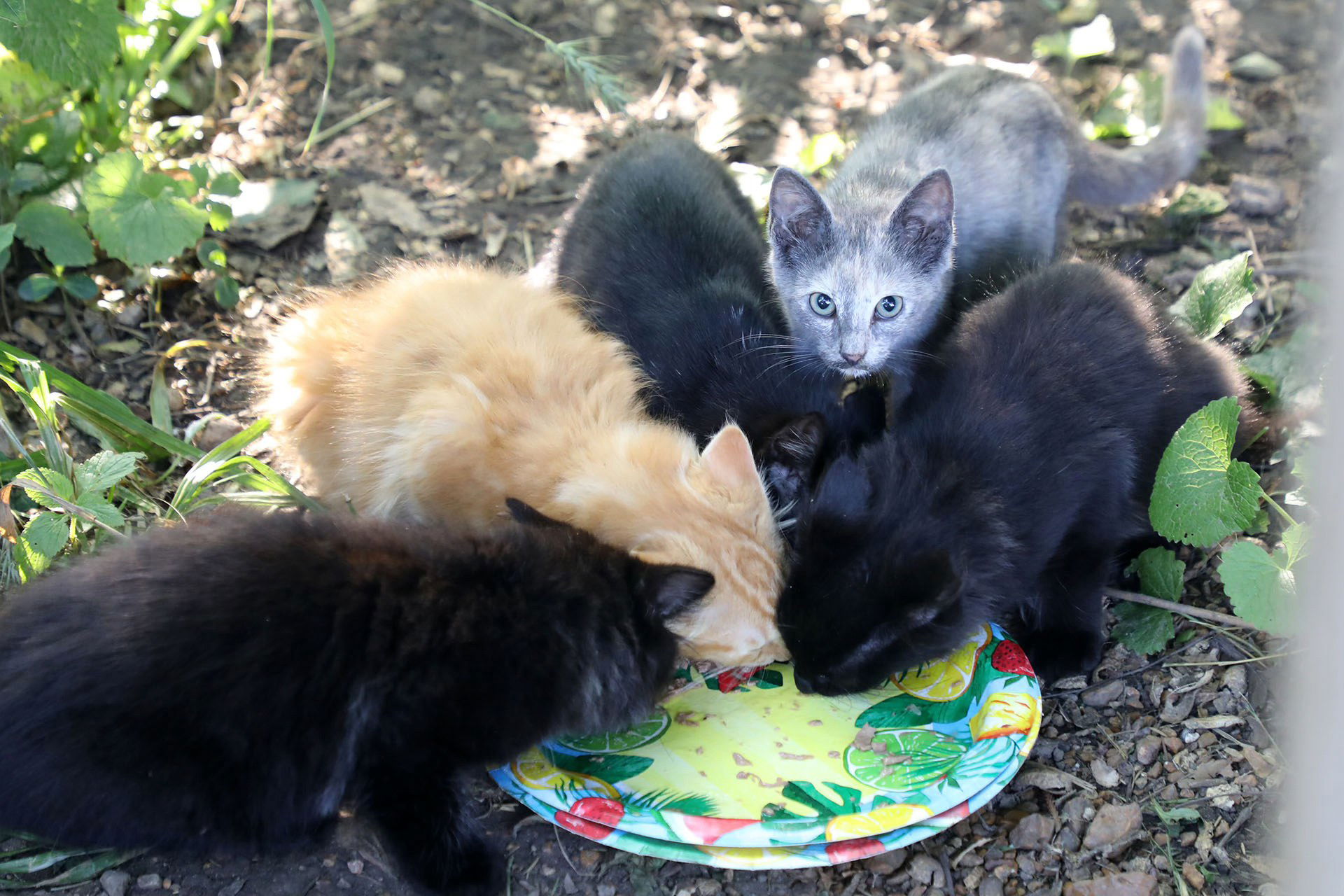 Drake Hill Feral Cat Community
Feral Cat Communities
In the depths of winter, feral cats tend to gather in communal groups for warmth and companionship. These resilient creatures forage for food, often relying on human sources because natural prey is scarce. During February, they face extreme weather conditions that threaten their survival.

How You Can Help: If you’re able, consider providing a safe, insulated shelter for feral cats. Simple wooden boxes with straw bedding can offer significant protection from the harsh elements. Additionally, placing food and water in secluded areas can help these cats maintain their energy during the cold winter months. If you’re interested in a more permanent solution, look into local TNR (Trap-Neuter-Return) programs to help control the feral cat population humanely.
Squirrels
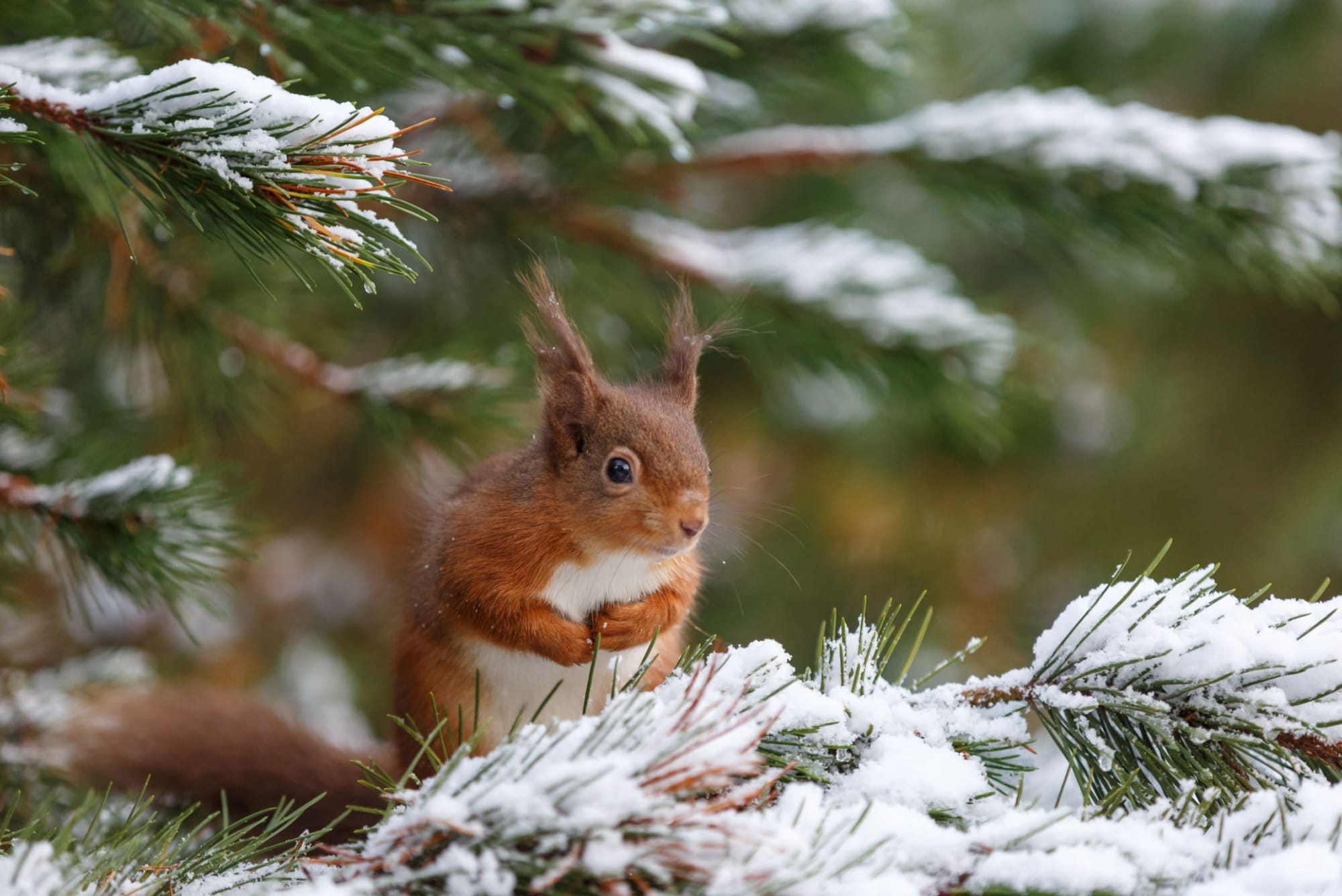
Squirrels are busy creatures even in winter; however, their activities shift dramatically. In February, they mostly rely on the food they’ve gathered in autumn, which they stash away for such cold months. On warmer February days, you might spot them scurrying about or engaging in playful antics as they prepare for spring.
How You Can Help: You can support squirrels by hanging bird feeders filled with seed and nuts. This additional food source not only sustains them during acute food shortages but also invites other wildlife to your yard, enhancing your winter views.
Foxes
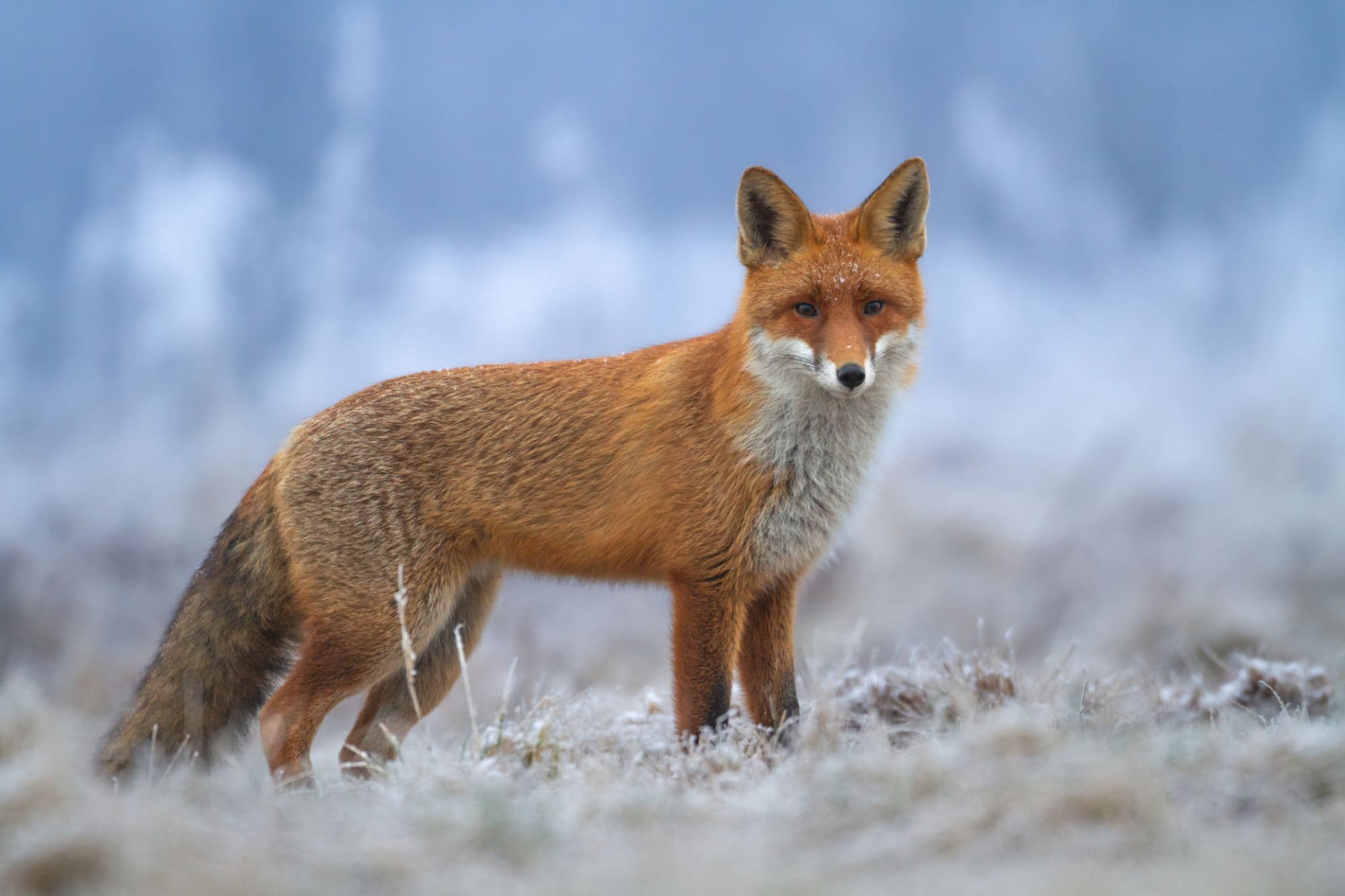
Foxes are fascinating survivors, and February is a key month for their breeding season. As they search for mates, you might hear their distinctive calls echoing in the night. Typically, they hunt primarily at dusk and dawn, using their keen hearing to locate prey even under snow cover.
How You Can Help: To support foxes during this time, refrain from using chemical pesticides and herbicides in your yard. These can harm the natural food chain and diminish the populations of small rodents that foxes rely on. Creating a wildlife-friendly habitat by allowing some areas of your garden to grow wild can also provide essential cover and food sources.
Coyotes
Coyotes, like foxes, will also be quite vocal during February, marking their territory and searching for mates. They are adaptable creatures that thrive in various environments, but winter poses challenges for food availability. Coyotes typically hunt during the night but can be seen during the day, especially in urban areas.
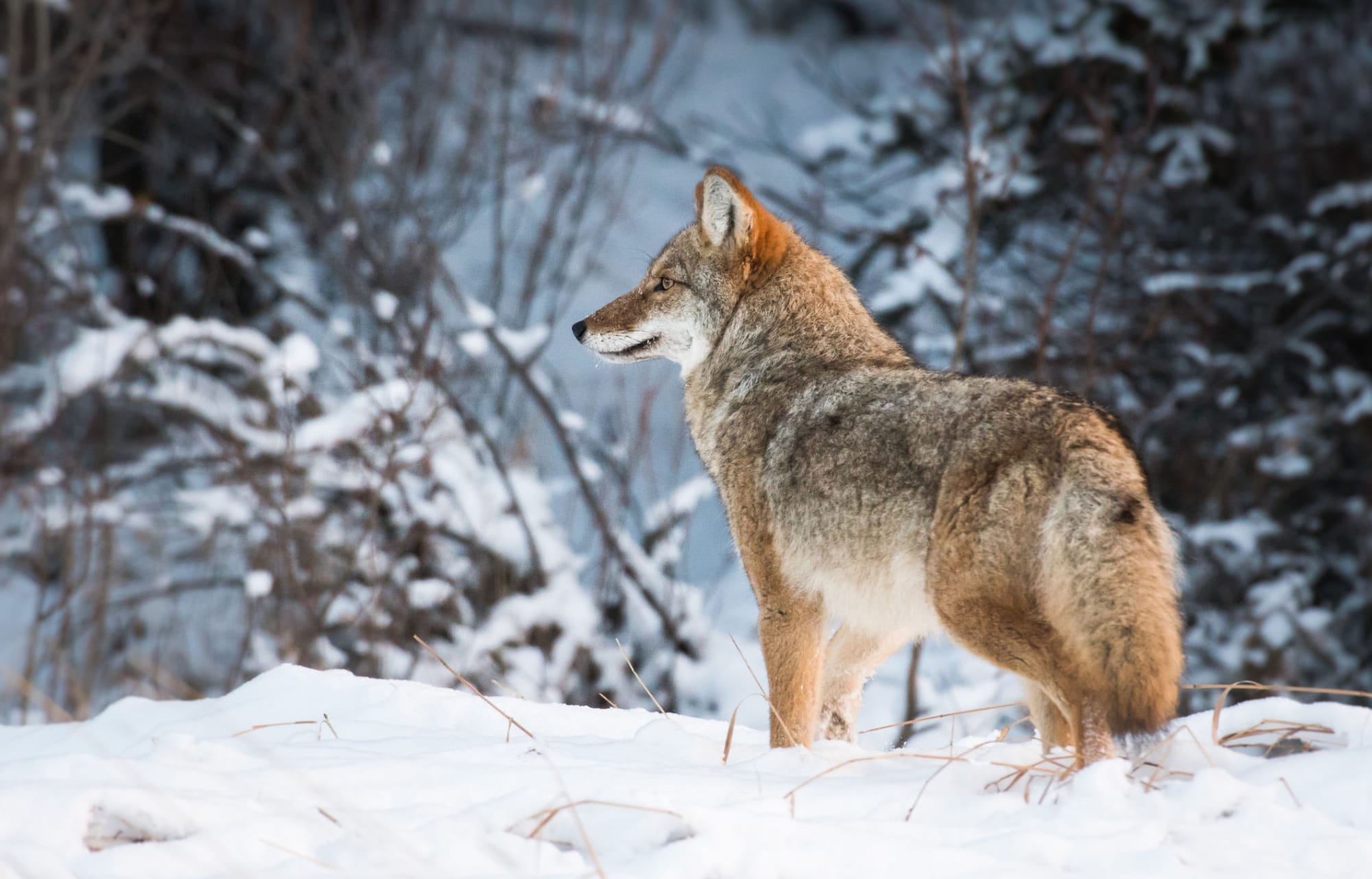
How You Can Help: Prevent attracting coyotes by securing garbage bins and keeping pet food indoors. If you live near a coyote territory, consider educating yourself and your neighbors on how to coexist safely with coyotes. Discussing and implementing safety practices can help maintain a healthy balance between humans and coyotes.
Birds
Birds face a harsh winter as well, relying heavily on diverse food sources. In February, some species, like cardinals and chickadees, can be spotted at feeders, while others may be migrating. This month is vital for those preparing for nesting season; they require ample nourishment to build their strength.

How You Can Help: Providing bird feeders filled with seeds, suet, and even scraps can give birds the essential calories they need to survive. Keep feeders clean and offer fresh water regularly, especially when ponds and streams are frozen, to ensure they stay hydrated.
Deer in Harsh Winters: Challenges and How You Can Help
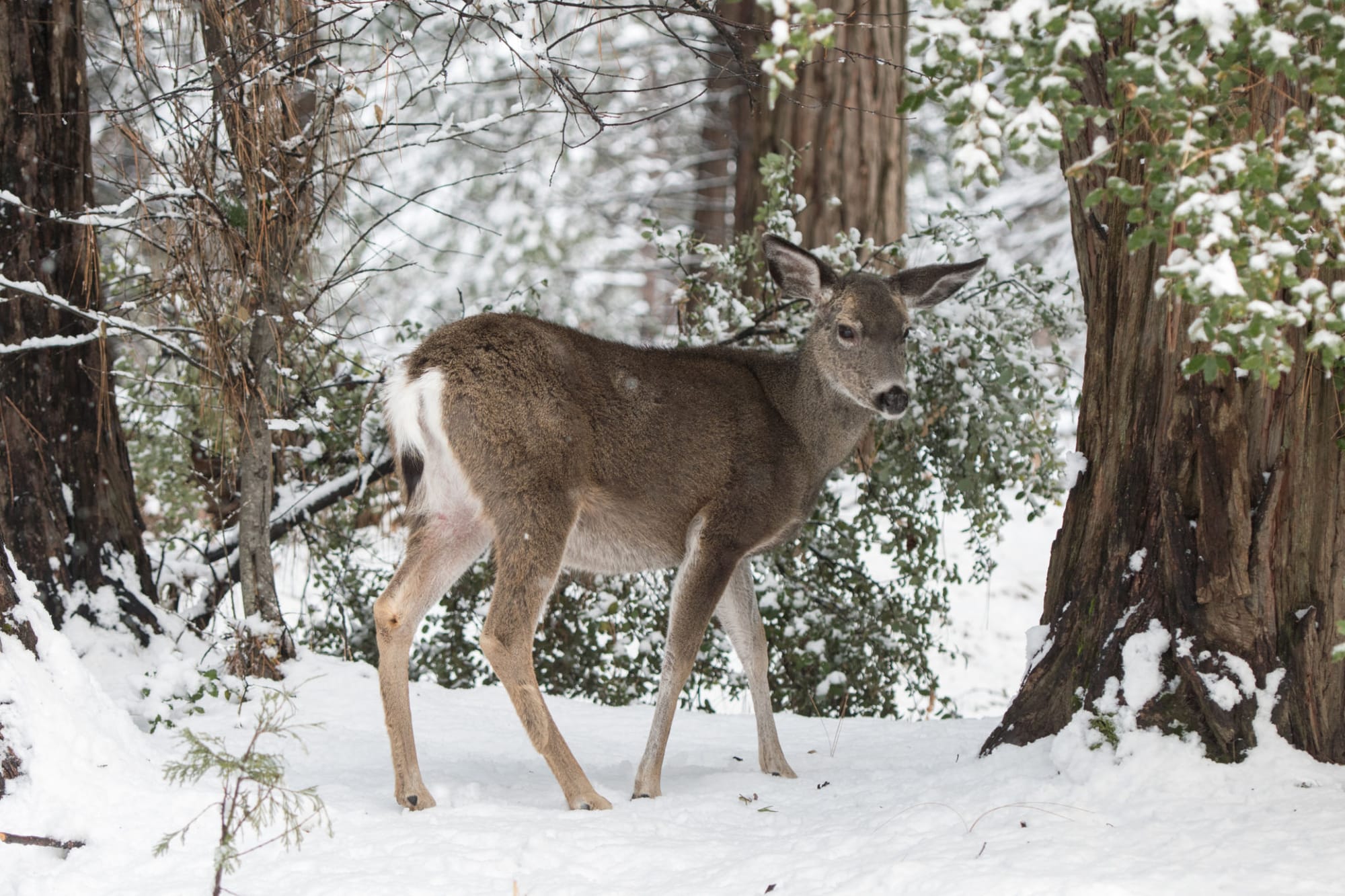
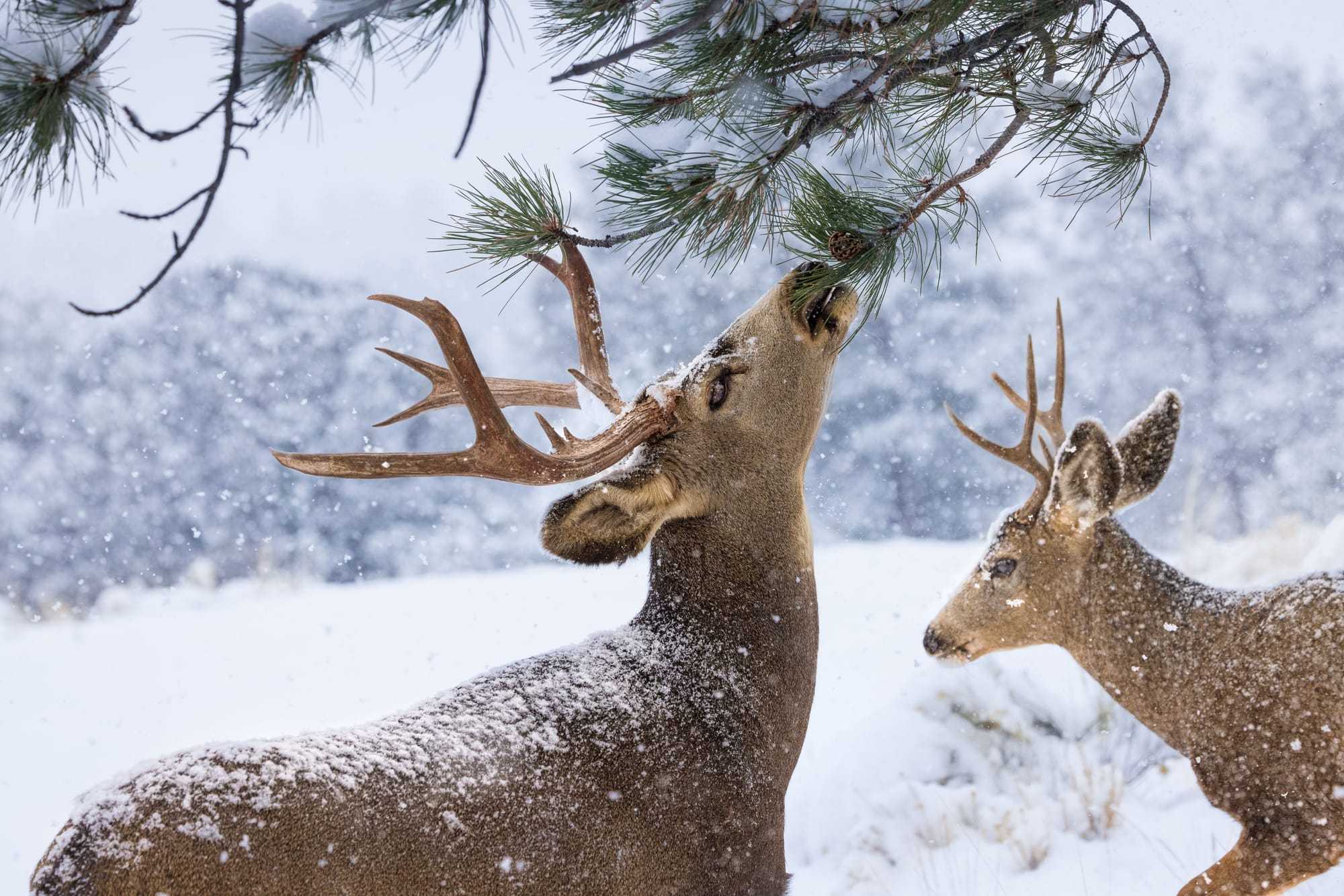
During hard winters, deer face significant challenges as they attempt to navigate the cold, harsh conditions. With food sources becoming scarce due to snow cover, they need to rely on their natural adaptability and resilience to survive until spring.
How You Can Help Deer Survive Winter
Food Scarcity: As snow blankets the ground, deer often struggle to find forage. Their typical diet consists of grasses, leaves, and twigs, but when these are buried under snow, their ability to access food diminishes greatly.
Create a Feeding Area: If you’re in an area where deer are prevalent, consider setting up a feeding station with hay or deer pellets. This supplemental food can help them sustain their energy levels during tough winter months. However, be sure to follow local guidelines about feeding wildlife.
Conclusion
February may feel like the depths of winter, but it also marks a crucial survival period for many of our wild neighbors. By understanding their habits and implementing simple strategies to help, we can all play a part in ensuring that animals like feral cats, squirrels, foxes, coyotes, deer, and birds not only survive but thrive in our shared spaces. The small efforts we make can have a significant positive impact, allowing wildlife to flourish until the warmth of spring arrives.