The Battle for Eagle Creek: Pros and Cons of Industrial Development

Nestled in Indiana, Eagle Creek offers a serene natural landscape that has become a central focus for a community grappling with the potential impacts of industrial development. At the heart of the debate is the "Leave Eagle Creek Alone" (LEAF) campaign, which highlights serious concerns over plans for the LEAP industrial site to discharge treated wastewater into the Eagle Creek Reservoir. This article explores the pros and cons of utilizing Eagle Creek and sheds light on why community members are taking a stand against its proposed industrialization
Pros of Utilizing Eagle Creek
1. Economic Development: Proponents of the LEAP industrial site argue that the development would create jobs and stimulate the local economy. Increased employment opportunities and potential tax revenue could benefit the surrounding communities.
2. Infrastructure Improvement: Industrial projects often lead to upgrades in local infrastructure, including roads, utilities, and public services, which can enhance the overall quality of life for residents and visitors alike.
3. Increased Funding for Conservation: Some advocates believe that economic development could provide funding for environmental conservation efforts in the region. This funding might be used to improve park facilities or enhance wildlife habitats.
Cons of Utilizing Eagle Creek
1. Environmental Impact: The most pressing concern surrounding the LEAP project is the potential environmental harm. The proposed pipeline for discharging treated wastewater threatens the water quality of the reservoir, which serves as a critical habitat for fish and birds. Industrial pollutants could disrupt these ecosystems and negatively impact biodiversity.
2. Concern for Bird Habitats: The mudflats of Eagle Creek Park are vital for migratory birds. Any potential damage caused by wastewater could endanger these sites, leading to a decline in bird populations that rely on them for survival.
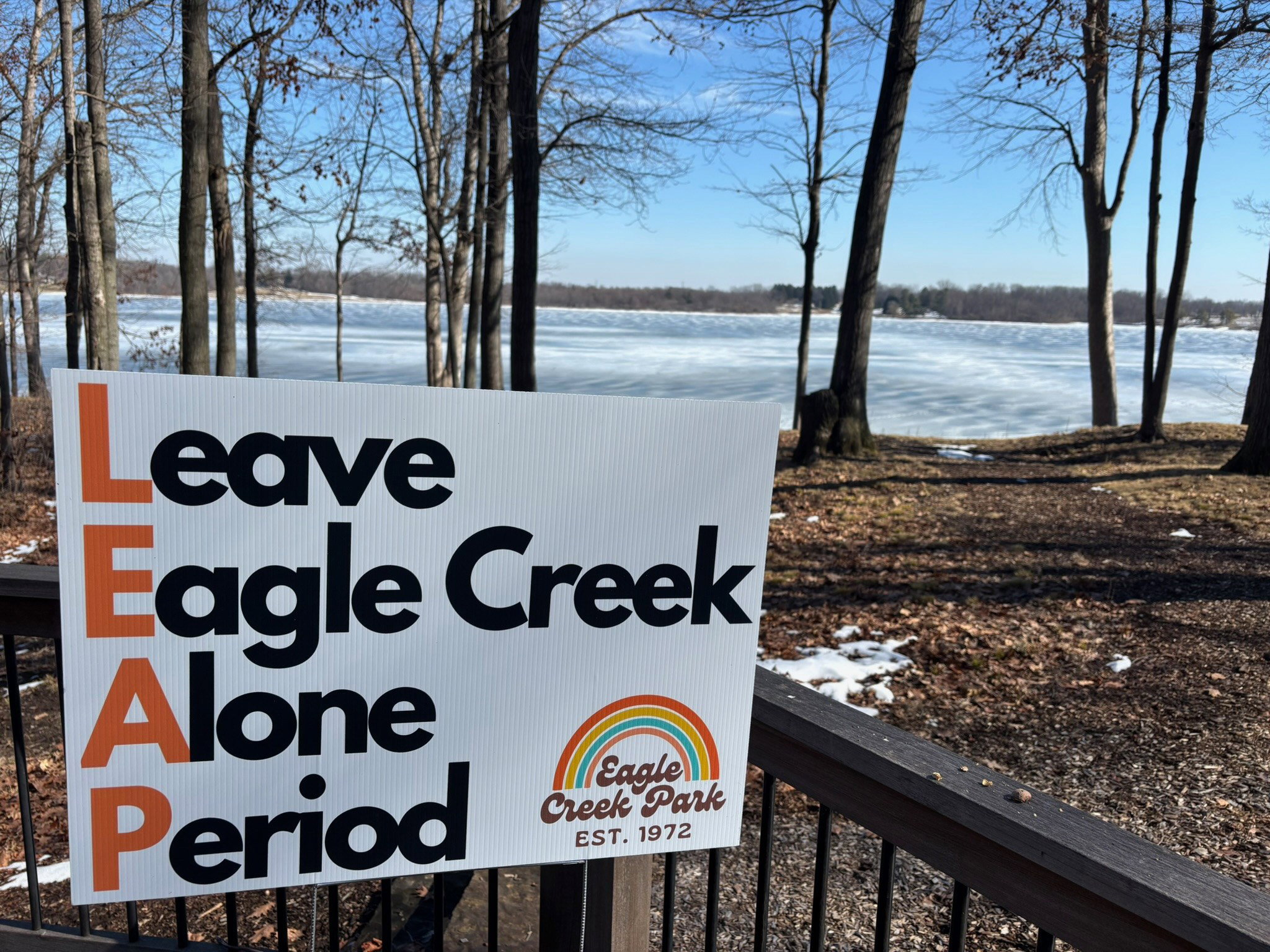
3. Community Opposition: A significant segment of the local population, including organizations like the Sierra Club Hoosier Chapter, has rallied against the industrial plans for several reasons—primarily centered around the desire to protect their natural environment. Events like the "Walk for Water" have been organized to raise awareness, and yard signs displaying "Leave Eagle Creek Alone" reflect the community sentiment.
4. Long-term Consequences: While short-term economic benefits are often touted, the long-term environmental consequences of transforming a natural area into an industrial site could have irreversible effects, raising concerns about sustainability and the preservation of natural resources for future generations.
The Community's Stand
The LEAF campaign represents more than just resistance to industrial development; it embodies a collective commitment to safeguarding the Eagle Creek watershed. Community members fear that once industrial sites are established, efforts to reverse their effects might be futile. The broader implications for clean water access, wildlife, and the enchanting natural landscape that attracts residents and visitors alike are central to the protests taking place.
As the controversy over Eagle Creek continues, it serves as a reminder of the delicate balance between economic growth and environmental protection. The community's fight against potential industrialization is driven by a desire to maintain and protect its natural heritage, ensuring that Eagle Creek remains a vibrant, healthy ecosystem for both current residents and future generations.
Eagle Creek Foundation Inc has LEAF Signs. https://www.facebook.com/photo?fbid=1338800224948895&set=a.480287957466797